

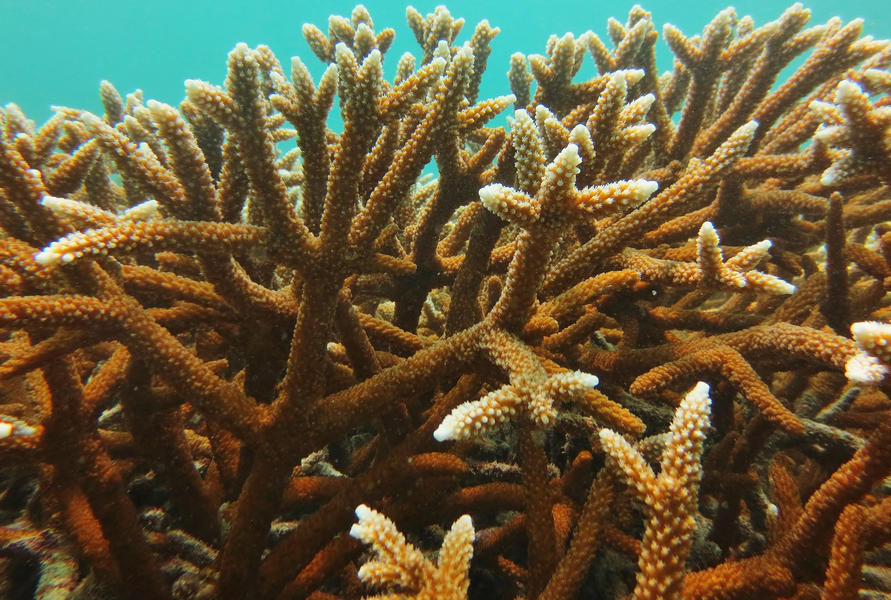
Optimizing reproductive success of corals spawned in land based nurseries

Florida’s Coral Reef is experiencing a multi-year disease-related mortality event, in addition to increased frequency and severity of thermal stress events, resulting in massive die-offs in multiple coral species. Collection of corals for gene banks and sexual coral reproduction efforts is being utilized to help protect genetic diversity and restore coral reefs in Florida. The logistical difficulties of collecting coral gametes in the field and transporting them to a laboratory for fertilization within a one-hour time window have limited utility for research in reproductive ecology. Additionally rearing larvae and settling corals in a field setting without adequate controls of light and temperature has limited the number and health of coral recruits produced for restoration. Innovative and radical measures are needed to assist with the recovery of Florida’s Coral Reef. Sexual reproduction is critical to coral recovery by increasing genetic diversity and creating individuals that are potentially resistant to the factors that have led to coral mortality. Coral fertilization, larval development, and recruitment are the most vulnerable life history stages, and are therefore the most important for our understanding of coral reef resilience. Among the suggested transformative research endeavors is land-based coral spawning, assisted fertilization, settlement, and subsequent rearing for experimentation and restoration. The main objective of this research is to improve the methods of ex situ coral sexual propagation, with the aim of increasing genetic diversity of corals and upscaling restoration techniques. This was primarily accomplished through two research areas: (1) enhancing methods in ex situ coral spawning, fertilization, and larval and recruit rearing, and (2) developing probiotics for coral early life-history stages. This year, we successfully induced spawning in an additional species, Diploria labyrinthiformis, with 9 out of the 13 maintained colonies releasing gametes. We also determined that purple ceramic tiles result in higher survival of O. faveolata recruits compared to white and grey ceramic tiles. Finally, several probiotic strains were found to enhance the survival and growth of Pseudodiploria clivosa recruits. These findings have furthered our knowledge and understanding of various aspects of ex situ sexual reproduction and recruit grow-out techniques to upscale restoration efforts and enhance the genetic diversity of wild populations in the coming years.