

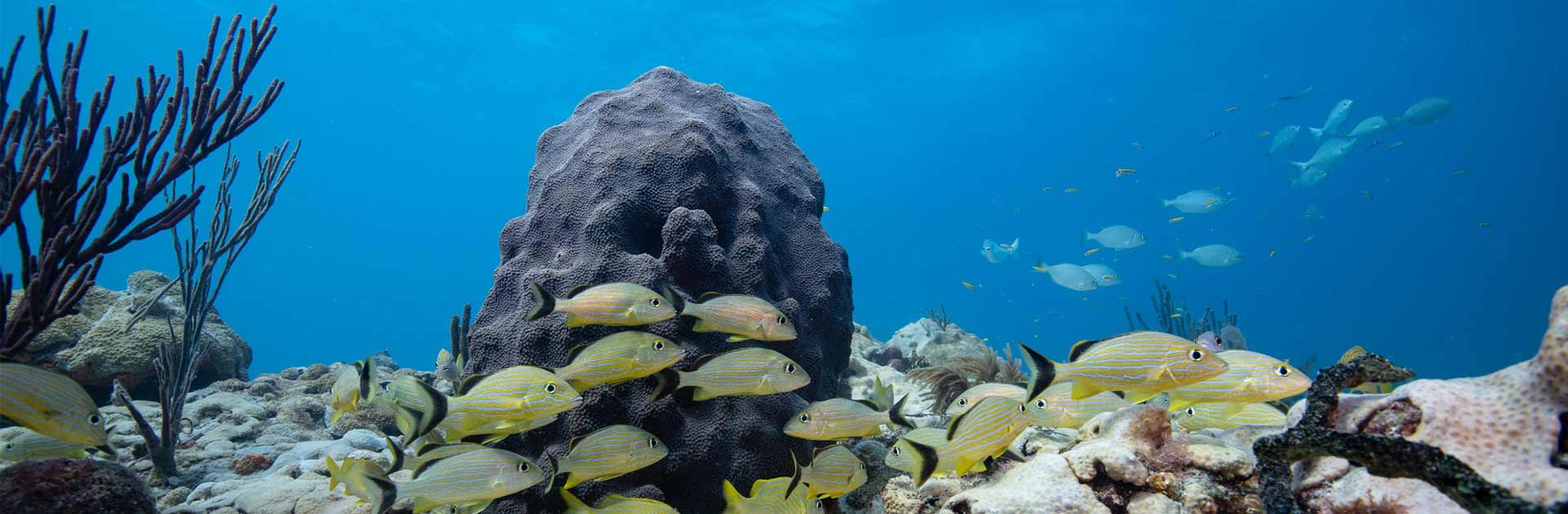
Metaproteomic Analysis of Stony Coral Tissue Loss Disease

Determining the causative agent(s) of coral disease relies on a multidisciplinary approach since the causation may be a combination of abiotic, microbial or viral agents. We focused on the functional response of the coral microbiome because this search space can be defined using metagenomics and provide answers in the period of the statement of work. The analysis is specific to the microbial composition of each sample, as opposed to selecting publicly available databases that may or may not be relevant. In the future, these species databases will be searched during metaproteomic analysis. For this research, we will be focused on the abundance of proteins to capture the functional aspects of the disease phenotype as well as microbial species diversity. Functional characterization includes determining the expression of virulence factors associated with the microbiome that may underlie infection and spread of disease. Secondly, the functional picture provided by measuring protein abundance can be utilized to classify the disease phenotype to predict the acute phase of the disease process that is not yet histologically visible.