

Coral spawning and optimization of coral propagation techniques in land-based nurseries

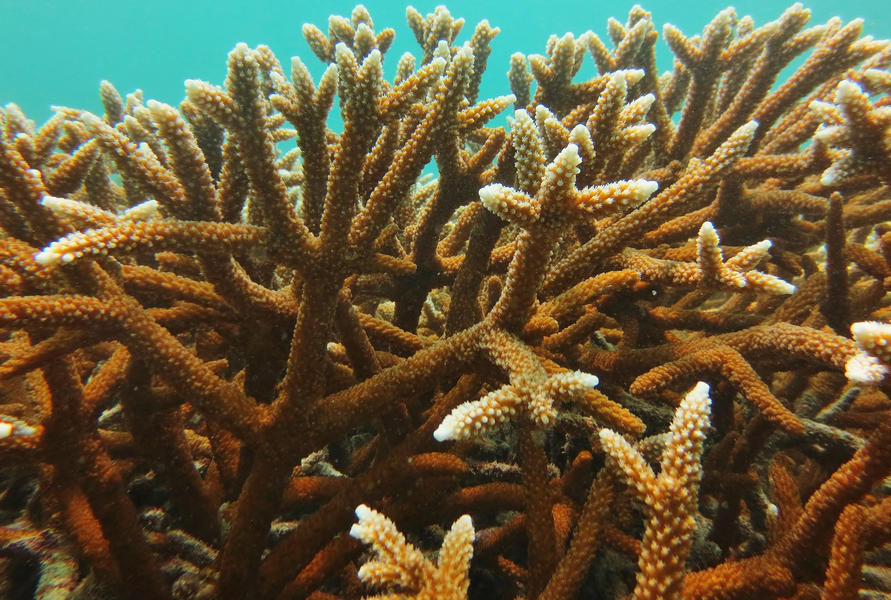
Florida’s Coral Reef has seen a drastic decline in coral coverage and a significant shift in its assemblage of coral species due to several stressors, namely a multi-year disease- related mortality event. Increasing genetic diversity on Florida’s Coral Reef through sexual reproduction may improve resistance to disease and resilience to other stressors, such as increasing ocean temperatures, which is critical to the recovery of reefs and their persistence in the future. However, successful fertilization, larval development, and recruitment pose significant bottlenecks in the wild, preventing natural recovery from occurring. Furthermore, the logistical constraints of collecting coral gametes in the field and transporting them to a laboratory can impede research advances in coral reproduction and early life history stages. Large-scale innovation measures are therefore vital for the recovery of Florida’s Coral Reef. The main objective of this research is to improve the methods of ex situ coral sexual propagation, with the aim of increasing genetic diversity of corals and upscaling restoration techniques. This was primarily accomplished through two research areas of focus: (1) enhancing methods in ex situ coral spawning, fertilization, and larval and recruit rearing and (2) screening bacterial isolates to test for their potential use as probiotics in coral aquaculture. This year spawning hours were shifted by six hours which has improved every aspect of the ex situ propagation methods. Additionally, we moved our broodstock to our four newly constructed spawning systems and collected thirteen Diploria labryrinthiformis for broodstock. Standard operating procedures were developed for future research quantifying sperm characteristics important for cryopreservation, artificial selection, and fertilization success in outplanted corals. Several bacterial treatments isolated from adults were identified to potentially enhance the survival and growth of Pseudodiploria clivosa recruits. These isolate groups are going to be further screened to identify if a single bacterial isolate is responsible for the enhanced health benefits. These findings have furthered the knowledge and understanding of various aspects of ex situ sexual reproduction and recruit grow-out techniques to upscale restoration efforts and enhance the genetic diversity of wild populations in the coming years.