

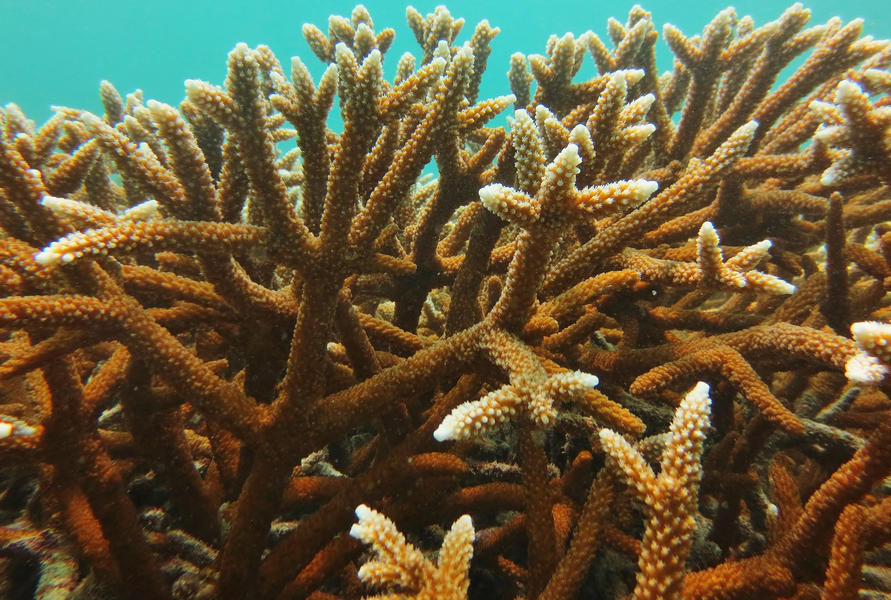
Florida Disease Response Coral Rescue and Propagation

The NSU Onshore Coral Nursery's mission is to serve as a multipurpose, ex-situ onshore facility dedicated to support the preservation and restoration of the Florida reef tract. The nursery is a hub for coral nursery activities, providing a biosecure space for the care of new colonies, diseased/agitated colonies, and fragment grow-out. The nursery facilities support the restoration activities of other NSU researchers including Dr. Gilliam (NSU), Dr. Walker (NSU), and Dr. Figueiredo (NSU). Additionally, we also provide essential support to agencies such as the Army Core of Engineers & Florida Fish & Wildlife (FWC). The nursery husbandry team also maintains inter-organization and public communication activities, including interactions with other intermediate holding and AZA facilities, participation in weekly conference calls, and troubleshooting and problem solving through email and telephone conferences with partners. FWC & NSU are continuing to utilize the SEACOR system as quarantine space for maintenance animals (such as sea urchins, shrimps, snails, etc.) that are distributed to other coral rescue facilities. Our primary focus continues to be the care and maintenance for the endemic corals in our systems and support for ongoing coral outplant and transport activities, including acclimation of incoming corals to nursery conditions, direct transportation from collection to other project partners when needed, and short-term housing for corals that are pending transplantation. We continue to improve our onshore nursery facilities, such as enhancing filtration and system water volume, and replacing weather-worn equipment such as pumps and water chillers, to improve our utility and husbandry. The onshore nursery currently holds 4,894 corals in total; 1,258 colonies and 3,636 fragments. A total of 152 corals have been outplanted from the onshore nursery systems since the start of 2024. Recent coral collections from construction sites as well corals of opportunity coming into the nursery have positioned us to greatly expand our fragmentation efforts, which have been limited this year by the number of available parent colonies.