

Tampa Bay Aquatic Preserves
Tampa Bay Aquatic Preserves
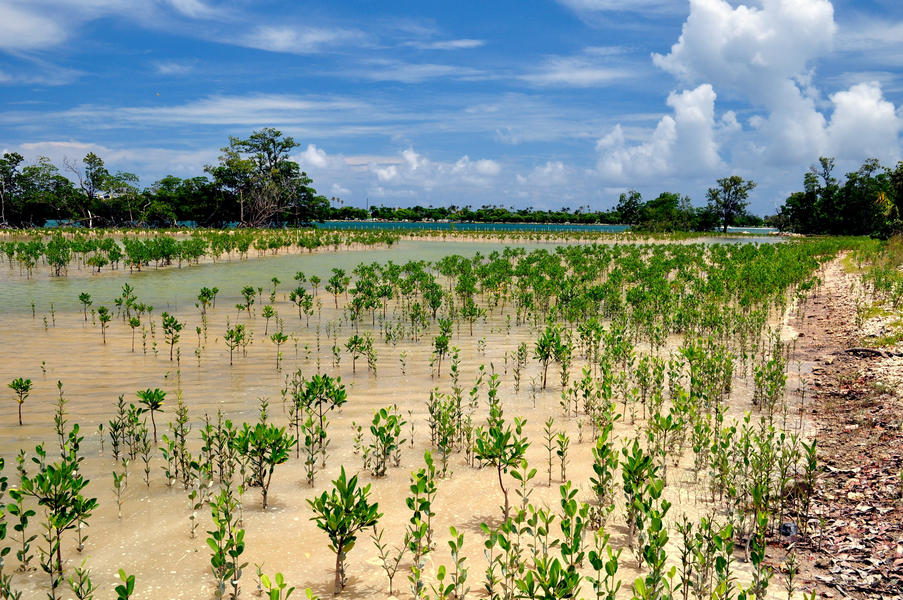
The Tampa Bay Aquatic Preserves, managed by the Florida Department of Environmental Protection’s Office of Resilience and Coastal Protection, highlight the best of what our state has to offer: open water, inlet bays, tidally influenced creeks and rivers, oyster reefs, seagrass beds, salt marshes and mangrove forests. These habitats are vital to Florida’s iconic wildlife such as manatees, dolphins, fishes, oysters, and an abundance of wading, nesting and migratory birds. Although not widely known, TBAP even has a variety of corals in its hard-bottom areas.
Tampa Bay Aquatic Preserves consists of four aquatic preserves:
- Boca Ciega Bay Aquatic Preserve
- Cockroach Bay Aquatic Preserve
- Pinellas County Aquatic Preserve
- Terra Ceia Aquatic Preserve
Recreational Opportunities
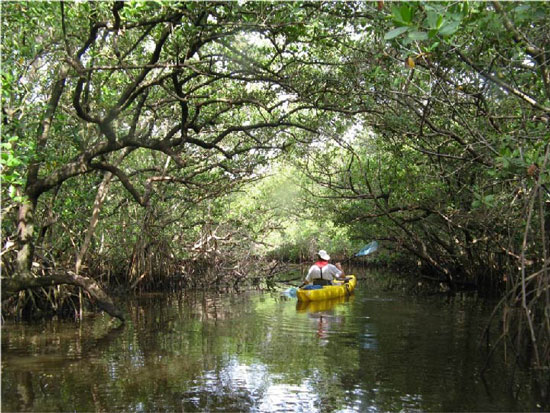
The four aquatic preserves consist of nearly a half-million acres of submerged lands, islands and other coastal habitats across three counties. TBAP has an abundance of recreational and nature-based opportunities including fishing, boating, canoeing, kayaking, swimming, and even primitive camping on several natural and manmade islands.
Volunteer
Tampa Bay AP staff are always looking for volunteers to assist in keeping the aquatic preserves in their best, most pristine condition. Our volunteers and interns - including civic groups, corporate groups, student groups and neighborhood associations - assist us with island restoration projects, cleaning up marine debris, and removing non-native/invasive plants and restoring native plants in various habitats among the preserves. If you’re interested in volunteering, contact the TBAP office at 239-530-1010 or email TampaBay_AP@FloridaDEP.gov.
Counties: Manatee, Pinellas, Hillsborough
Location: Tampa Bay Aquatic Preserves
Managed Location Contact: Randy Runnels, Ph.D.
Phone: 239-530-1011
Email: TampaBay_AP@FloridaDEP.gov