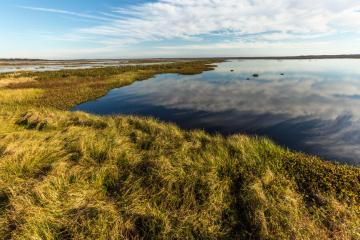
The Florida Department of Environmental Protection is working statewide to encourage local stakeholders to develop plans at the earliest practical time to restore waters not meeting state water quality standards. Early implementation of restoration activities is more cost effective, and may allow the department to forgo certain regulatory steps (most notably, the development of total maximum daily
Florida has 43 aquatic preserves, encompassing 2.9 million acres, along Florida's coastline, except for four located inland near springs and rivers. All of these waters are ours to enjoy and protect.
Implements Florida's Underground Injection Control program, which provides necessary disposal while protecting underground sources of drinking water.
Maintains a statewide geodetic control network and surveys the coastline of Florida.
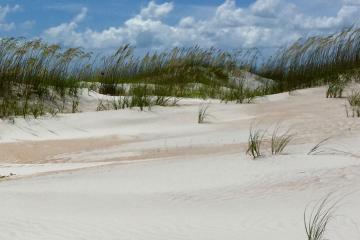
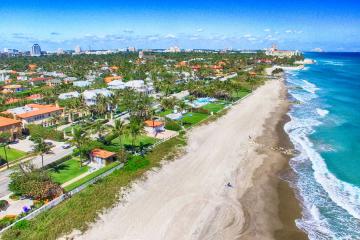
Protect, restore and manage Florida's coastal systems and 825 miles of sandy coastline.
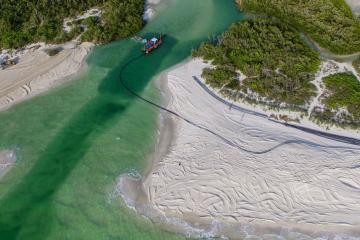
Grants to local governments for the planning and implementation of beach and inlet management projects.
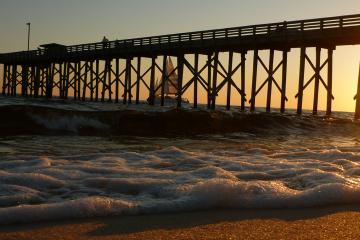
Manages permits for coastal construction seaward of the mean high water line as well as permits for activities such as pier construction and navigational dredging of deepwater ports and inlets.
Biological assessment is an applied scientific discipline that uses the response of resident aquatic biological communities to various stressors as a method of evaluating ecosystem health.
Assists programs with appropriations strategy development and uncommon funding situations, coaches employees to develop expertise in budgeting and planning.
Supports land acquisition, disposition and management by contracting with independent appraisers throughout the state for unbiased opinion of the overall value of property to be purchased or sold.
Provides professional design, contract administration and construction management services for timely completion of Fixed Capital Outlay and Park Expense Design and Construction Projects.
Provides technical and professional services to preserve and manage the natural and cultural resources in Florida's state parks.
The Board of Trustees’ real estate administration program that generates revenue for the management, administration, protection and conservation of state-owned lands.
The Bureau of Real Estate Services is responsible for activities related to negotiation, acquisition, disposition, exchange, donation and closing of real property.
Maintains a repository of land records, determines the location of land and water boundaries, and clearly delineates the boundaries of state-owned lands.
Business Management Services is responsible for managing the Department’s IT budget, assisting with IT purchases, and delivering IT contract development and management services to DEP programs.
DEP's goal is to partner with communities and businesses to protect natural resources and promote economic growth.
Contact the ombudsman with questions, concerns, public records and legislative requests, media inquiries and outreach opportunities.
Central District works with stakeholders to draft environmental permits in the shortest time possible. The district also oversees cleanup of contaminated sites.
Learn about the Central District's organization and business plan and find contact information for staff members.
Oversees professional licensing of water and wastewater treatment operators.
Marina facilities voluntarily unite under the Florida Clean Marina Program and Clean Boating Program to implement environmental best management practices.
Provides funding assistance for the purchase, installation and maintenance of pumpout equipment for marinas.
Protects coastal systems by regulating structures and activities that can cause beach erosion, destabilize dunes, damage upland properties, or interfere with public access.
The Coastal Engineering and Geology Group (CEGG) provides technical expertise and assistance to the beach erosion control and regulatory programs of the Office of Resilience and Coastal Protection.
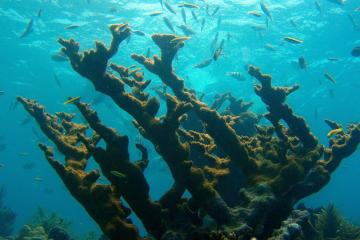
Supports the holistic management of Florida’s Coral Reef by providing leadership for coral reef initiatives and by effectively administering state funding for Florida’s Coral Reef priorities
Coordinates research and monitoring, develops management strategies, and promotes partnerships to protect the coral reefs, hard-bottom communities, and associated reef resources of southeast Florida.
Customer Support Services is responsible for the Statewide Service Desk which includes a call center, support for computer hardware, standard software applications and computer peripherals.
Assistance for the projects funded by the Deepwater Horizon settlement under the RESTORE Act, Natural Resource Damage Assessment Restoration, and the National Fish and Wildlife Foundation.
The District Support Program provides technical support services to the division and DEP district offices.
Works with wastewater utilities and Florida residents to protect and conserve water resources while meeting the basic public health need for effective wastewater treatment.
The FGS is dedicated to facilitating a culture of responsible environmental stewardship through outreach activities.
Provides technical and on-site assistance when incidents involve hazardous materials, including petroleum spills caused by vehicle accidents, chemical plant explosions and coastal oil spills.
Provides technical support for mining projects and mine reclamation, stormwater/surface water management systems, dam safety, and other in-water activities or works.
Enterprise Application Services uses best practices in application development to work with customers throughout the department to design and develop technology solutions.
The Florida Department of Environmental Protection’s Environmental Crimes Unit consists of 18 sworn law enforcement officers, divided up among various offices statewide. The Environmental Crimes Unit’s special agents, lieutenants and captain are fully constituted state of Florida law enforcement officers.
Environmental Education & Outreach
Plans, organizes, directs and coordinates financial and accounting services in support of the programs and services of the department.
The Florida State Owned Lands and Records Information System (FL-SOLARIS) was developed and implemented to record and maintain the inventory of real estate properties (including both land and facilities) that are “owned, leased, rented, or otherwise occupied” by any state government entity.
A guide to public coastal access points along the entire Florida coast from the Gulf of America to the Atlantic Ocean
Coordinates local, state and federal agency activities using existing laws to protect coastal resources.
Provides chemical, biological and other analyses for samples collected by DEP and other state and federal agencies.
Florida Keys National Marine Sanctuary protects 2,900 square nautical miles of waters surrounding the Florida Keys, from Biscayne Bay westward to the Dry Tortugas.
A comprehensive inventory of the existing outdoor recreation resources and facilities in Florida.
Provides training on how to minimize impacts caused by erosion and sedimentation on construction sites.
Provides procurement, monitoring and compliance, and operational services in support of effective agency operations.
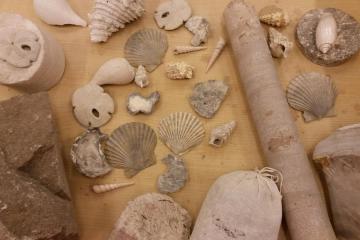
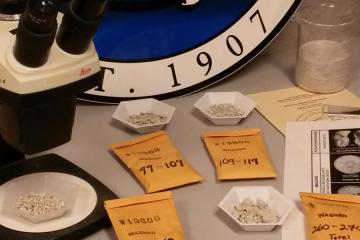
The FGS maintains collections of geologic samples, fossils and photos.
Learn more about geology and the geosciences as FGS shares a number of topics.
Provides efficient, effective and high-quality human resource management processes that attract, develop and retain key talent.
Regulates facilities and activities that discharge to surface waters and ground waters of the state.
The Internal Audit Section conducts audits and reviews of the department's programs and activities, pursuant to 20.055, F.S.
The Internal Investigations Section conducts preliminary inquiries, reviews or investigations into complaints received, pursuant to 20.055, F.S.
Information about current and ongoing topics of interest to the public.
Identifies, evaluates, and establishes priorities for the Division of Recreation and Parks’ land acquisition program.
Promotes programs that foster partnerships to enhance and sustain Florida’s natural and cultural resources, and provide increased outdoor recreational opportunities for Florida’s residents and visitors.
DISTRICTWIDE MANAGEMENT PLANS The Florida Division of Recreation & Parks is administratively divided into five districts: Northwest (District 1), Northeast (District 2), Central (District 3), Southwest (District 4) and Southeast (District 5). The Office of Park Planning has developed an innovative approach to conservation land planning for Florida state parks – covering all units within a district
FGS has a number of resources for geologic data and information.
The Mining and Mitigation Program regulates mining in Florida. Staff review ERPs and reclamation plans for mines and handle permitting, compliance, inspection and enforcement activities at mine sites.
The research reserve includes the lower 52 miles of the Apalachicola River and floodplain as well as most of Apalachicola Bay.
The GTM Research Reserve protects 75,761 acres south of Jacksonville on Florida's northeast coast.
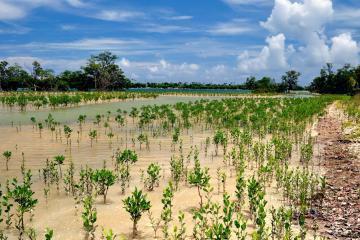
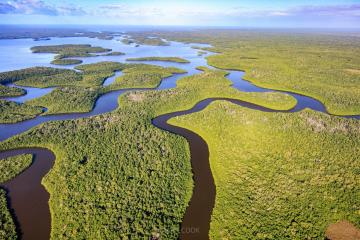
Located at the northern end of the Ten Thousand Islands on the Gulf Coast of Florida, the research reserve includes one of the few remaining undisturbed mangrove estuaries in North America.
Funding for the reclamation of mined phosphate lands, mined prior to 1975, identified in a 1980 report.
Federal and state grants for projects and practices that reduce water pollution from nonpoint sources such as stormwater.
Contact information for the Director’s Office · Business Planning · Compliance Assurance · Permitting Program · Language Barrier Assistance
The Northeast District provides compliance assistance through site visits, technical support, workshops, pre-application meetings and online, printable materials.
Environmental permits help minimize potential environmental disruption as a result of common human activities. DEP works closely with all parties in implementing its regulatory programs.
Information about current and ongoing topics of interest to the public.
Compliance is a priority for DEP because it is key to protecting public health and the environment. DEP takes a proactive approach to protecting Florida’s environment through education and outreach.
Florida’s environmental laws require sites to be developed, projects to be built, and facilities to be operated in a manner that is protective of the environment.
Learn more about public records, media relations, outreach and the Office of the Ombudsman and Public Services.
Regulates point source discharges from three potential sources: Municipal Separate Storm Sewer Systems (MS4s), construction activities and industrial activities.
The Office of Air Monitoring oversees air monitoring operations across the state of Florida and assesses the air quality for over 90 percent of Florida’s 21 million citizens.
The Office of Business Planning oversees all business management functions necessary to operate the division plus various activities required by the Federal Clean Air Act.
Administers the Florida Forever program, the Acquisition and Restoration Council process, and compliance of land management and planning for all conservation lands owned by the Board of Trustees of the Internal Improvement Trust Fund.
Provides statewide leadership and coordination to establish, expand and promote the Florida Greenways and Trails System.
The Office of Park Planning provides a wide range of technical support and professional services beneficial to management of the Florida Park Service.
The director's office oversees all division functions, including air quality monitoring, permitting and ensuring compliance of emission sources.
Provides real estate and land management services to the Board of Trustees of the Internal Improvement Trust Fund.
Primary responsibilities include conservation of oil and gas resources, correlative rights protection, maintenance of health and human safety, and environmental protection.
The Office of the Ombudsman and Public Services is the main intake for answering general department questions, processing public record requests, reporting issues and corresponding with constituents.
Onsite sewage treatment and disposal systems (OSTDS), commonly referred to as septic systems, are currently used for wastewater disposal by approximately 30% of Florida’s population
DEP oversees activities in federal waters on the Outer Continental Shelf to ensure consistency with state laws and policies.
The Mapping and Database Management Section maintains a well-organized, comprehensive repository of assets located in state parks.
The Permit Review Section and the Compliance Assurance Section coordinates statewide regulatory activities among the State's district air programs, local air programs and the U.S. Environmental Protection Agency.
Responsible for implementing the state's financial assurance and financial responsibility programs for Solid and Hazardous Waste and Tanks programs.
Oversees cleanup of sites contaminated by petroleum and petroleum products from stationary petroleum storage systems.
The Phosphate Management Program implements industrial wastewater permitting, compliance, and enforcement activities for the phosphate industry.
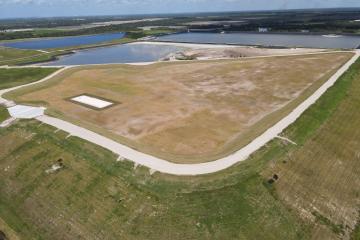
Piney Point Site Closure Progress Response and Closure Activities | Frequent Questions | Timeline | Archived Updates PINEY POINT CLOSURE ACTIVITIES Current Status of Closure Work: OGS-South: CLOSED The receiver selected Forgen LLC as the contractor to complete the closure work for this first compartment, and work is substantially complete. A protective liner has been installed on top of the
Portfolio Management Services is responsible for managing and maintaining the Department’s application and IT project portfolios.
Design team provides project management from the date a new project is assigned until it is ready to go out to bid. Contracts team handles all administrative functions for the entire bureau.
The Press Office communicates through the news media to inform Floridians about the department's role in protecting and enhancing the state's environment and natural resources.
The Division of Environmental Assessment and Restoration establishes water quality standards, monitors water conditions and works with local stakeholders to restore water quality in Florida's springs.
Florida Department of Environmental Protection Division of Recreation & Parks Southwest Districts The Office of Park Planning has developed an innovative approach to land planning for Florida State Parks – covering all units within a district through a consolidated process. The first districtwide plan was developed for the Northeast District and was approved by the Acquisition & Restoration
Provides technical guidance and support for sample collection and analytical tests related to chemistry, microbiology, toxicity, taxonomic identification and other bioassessment procedures.
Provides logistical support to fulfill the data collection requirements for the Status and Trend Monitoring Networks and the Strategic Monitoring Program.
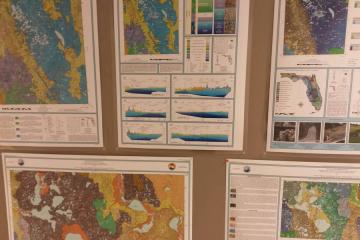
Through its research projects, the Florida Geological Survey collects, interprets and provides objective quality geologic information about Florida.
Updates: NEW! 2026 - 2027 Statewide Resilience Plan awards announced! NEW! Updated 62S-8 Program Guidance Manual now available! NEW! Updated Florida Adaptation Planning Guidebook now available! Access the Combined Statewide Vulnerability Assessment and SLIP Tool. Visit the Resilient Florida Grants Dashboard to see all projects currently awarded (login not required). About the Program On May 12
Promotes safety committee participation, provides health and safety education and training, and reviews and updates workplace safety rules.
The Statewide Comprehensive Outdoor Recreation Plan (SCORP) is the state’s official document regarding outdoor recreation planning.
Security and Infrastructure Services (SIS) provides the department with a secure and functional computer network infrastructure.
Sinkholes are a common feature of Florida's landscape. Learn more about sinkholes and FGS research.
The Siting Coordination Office coordinates the licensing for power plants, transmission lines and natural gas pipelines that trigger the Siting Acts.
DEP has the primary role of regulating public water system in Florida that provides water to 25 or more people for at least 60 days each year or serves 15 or more service connections.
Compliance is a priority for DEP because it is key to protecting public health and the environment. DEP takes a proactive approach to protecting Florida’s Environment through education and outreach.
Staff Contact Information - Organizational Chart - Language Assistance - Office Locations
Contact the ombudsman with questions, concerns, public records and legislative requests, media inquiries and outreach opportunities.
Environmental permits help minimize potential environmental disruption as a result of common human activities. DEP works closely with all parties in implementing its regulatory program.
Information about current and ongoing topics of interest to the public.
The Southeast Regulatory District is one of six districts that provide a regional presence for the department’s regulatory divisions. We proudly serve seven counties.
The Permitting and Waste Cleanup Programs work to ensure the protection of the environment and human health while providing the public with fair, consistent and timely customer service.
Information about current and ongoing topics of interest to the public, including state water quality and water restoration assistance.
The Southeast District Branch Office is located in Marathon, FL, and is responsible for administering the regulatory programs of the Florida Department of Environmental Protection in Monroe County.
The Southeast District Office of Media Relations, External Affairs and Outreach is responsible for media inquiries, legislative requests, outreach and public speaking requests and public records requests.
Our Compliance Assurance Program is composed of dedicated professionals and subject matter experts in several disciplines.
Citizen questions or complaints; Outreach requests; Legislative requests; Media inquiries; Public Records Requests
DEP's goal is to achieve compliance with environmental regulations to protect Florida's resources.
Environmental permits serve a valuable role in minimizing potential environmental disruption.
The Southwest District, with headquarters in Tampa, is DEP's regulatory office for 8 southwest Florida counties.
The Division of Water Restoration Assistance provides funding assistance for projects that improve the quality and quantity of the state’s water resources.
Buffer Preserves include lands managed by DEP on the mainland and the natural islands.
Low interest loans for drinking water, wastewater, reclaimed water, stormwater and nonpoint source pollution prevention projects with some grant assistance for eligible communities.
The Florida Department of Environmental Protection (DEP) regulates underground and aboveground petroleum storage tank systems (USTs and ASTs) under Rule 62-762, Florida Administrative Code, for ASTs greater than 550 gallons and Rule 62-761, F.A.C. for USTs greater than 110 gallons. Southeast District staff perform inspections on county-owned facilities and county staff perform inspections for
Submerged Lands and Environmental Resource Coordination is responsible for the consistent implementation of the Environmental Resource Program and State 404 Program statewide.
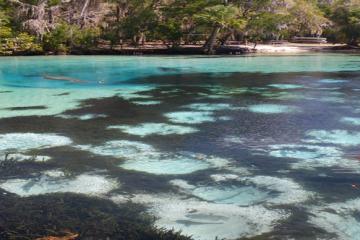
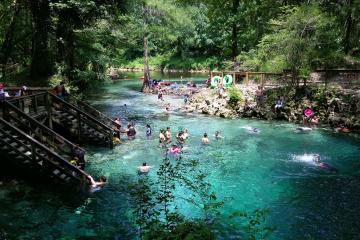
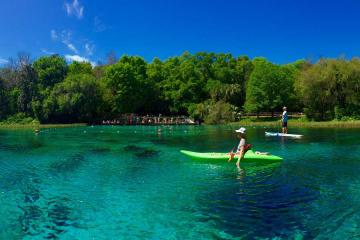
Springs offer visitors unsurpassed locations to swim, snorkel, scuba dive, and observe wildlife. Learn about the wealth of recreational opportunities available at springs and locate a spring near you.
Manages state-funded investigation and cleanup of hazardous waste sites and coordinates with EPA during cleanup of federal Superfund sites.
Promotes and monitors statewide recycling and waste reduction programs. Provides grants and technical assistance to local governments.
Leads statewide coordination of compliance and enforcement activities relating to the Industrial Wastewater, Domestic Wastewater and the NPDES Stormwater programs.
The Office of Water Policy addresses statewide water management in coordination with water management districts and other agencies, including minimum flows and levels for Florida’s water resources.
Monitors the quality of the state's surface and groundwater resources.
Includes two sections: Watershed Evaluation and TMDL and Watershed Assessment
Focuses on BMAPs; agricultural pollution prevention; guidance, training and education pertaining to Florida Friendly Landscapes and stormwater erosion control; and fertilizer ordinance review.
Reviews, establishes and revises state water quality standards; reviews petitions for waterbody use classification changes; and provides guidance on the implementation of antidegradation policies.
Responsible for the development of water quality standards, the Triennial Review of water quality standards, coordination of bioassessment training and implementation, and providing technical support.
Funding for private citizens and small facilities, whose wells are impacted with potential health hazards due to man-made contaminants, to restore their water supply to safe levels of drinking.
Uses best available information to identify waterbodies and water segments that are not meeting applicable water quality standards and designated uses based on the Impaired Waters Rule.
Gathers water samples from rivers, streams, lakes, canals, and wells around the state; laboratory scientists measure the levels of certain “indicator” substances in each sample.
Provides data management, support and analyses.